




Development Technologies

The Stack Behind Every Build

From custom web applications built with Nuxt, Laravel and Strapi to CMS websites and online stores on WordPress, Drupal, Kentico and Magento, each technology has its own strengths. Explore what each one does best and when we recommend it.

Tools of the Trade

Headless Content Management System

Magento (Headless)

Magento (Adobe Commerce) is made for online retail, with large catalogues, complex pricing rules and several stores all run from one dashboard. In a traditional build, the same system also creates the shop customers see, so speed and design depend on the theme and extensions installed. We build it headless. Your products, prices and orders stay where they are, while we deliver a separate shop engineered for speed and designed around your brand with no limits.

  • Blazing speed where it counts, with category pages, search and checkout opening almost instantly so shoppers keep moving.
  • No design limits, with product pages, promotions and landing pages built around your brand and not a store template.
  • Stronger security, with the login area of your store kept apart from the shop customers use.
  • Features built in, with shop features built into your website and no extra licence fees for premium themes or extensions.
  • Built to grow, with business price lists, several stores and currencies, and room for busy sale periods.
Why Choose Magento
  • You have a large catalogue with many products, variants and options.
  • You sell to other businesses, with their own price lists and account terms.
  • You run several stores, brands, currencies or countries.
  • Your store connects with ERP, stock or delivery systems.
When to Use Magento

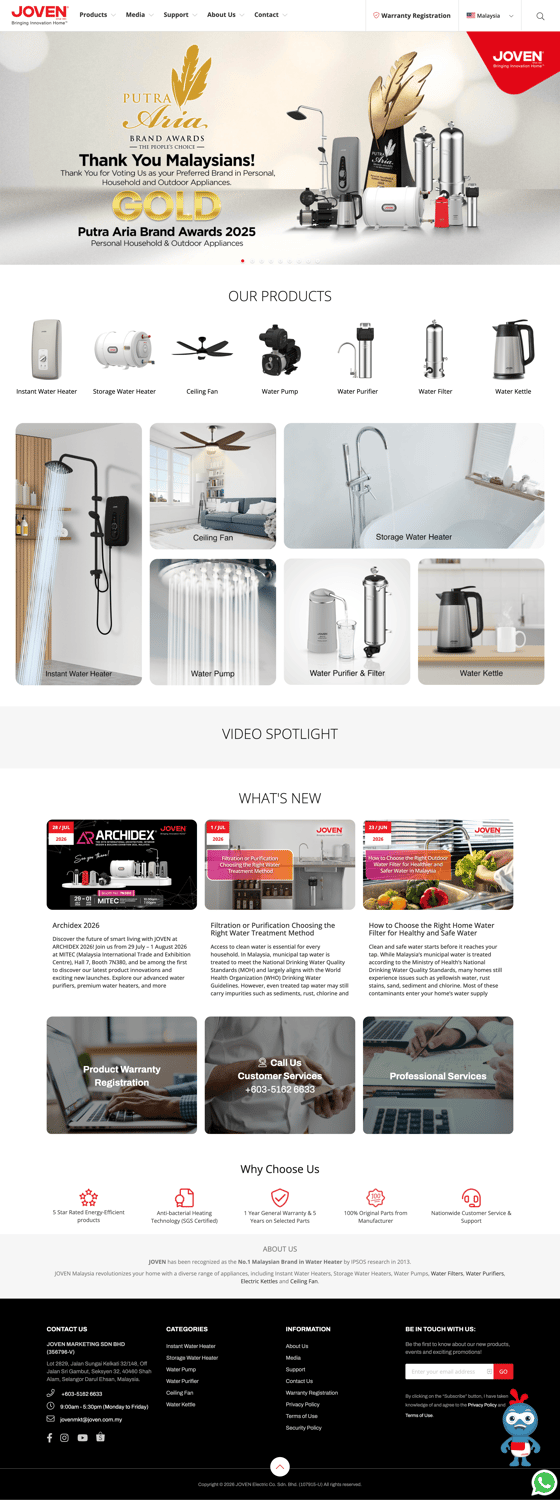
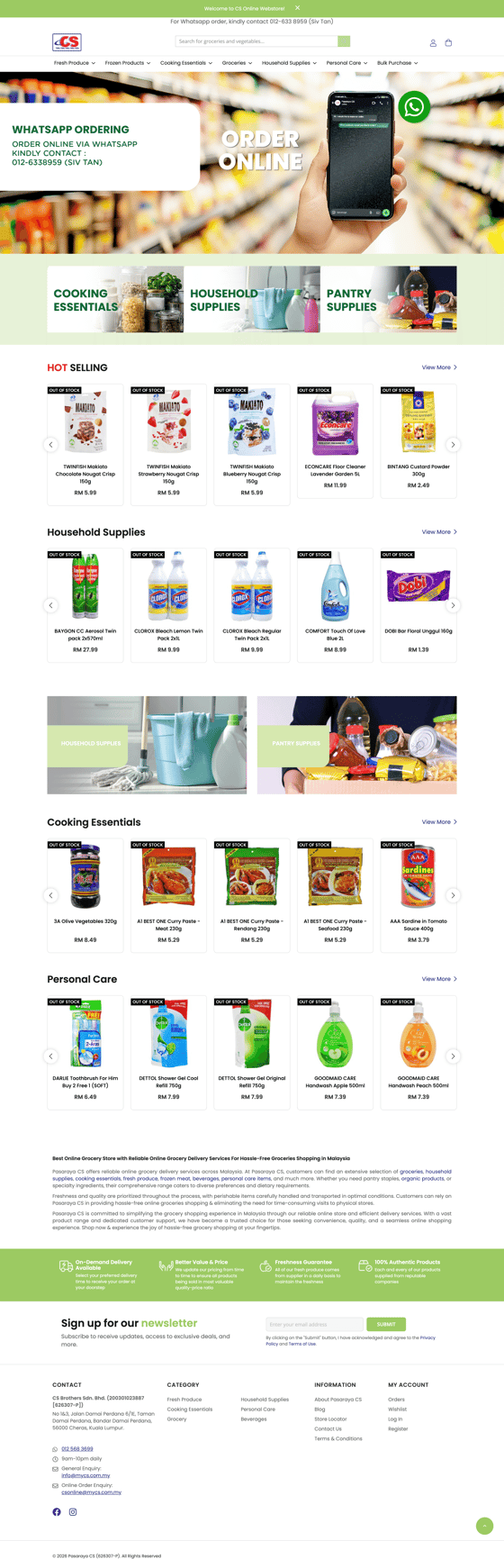
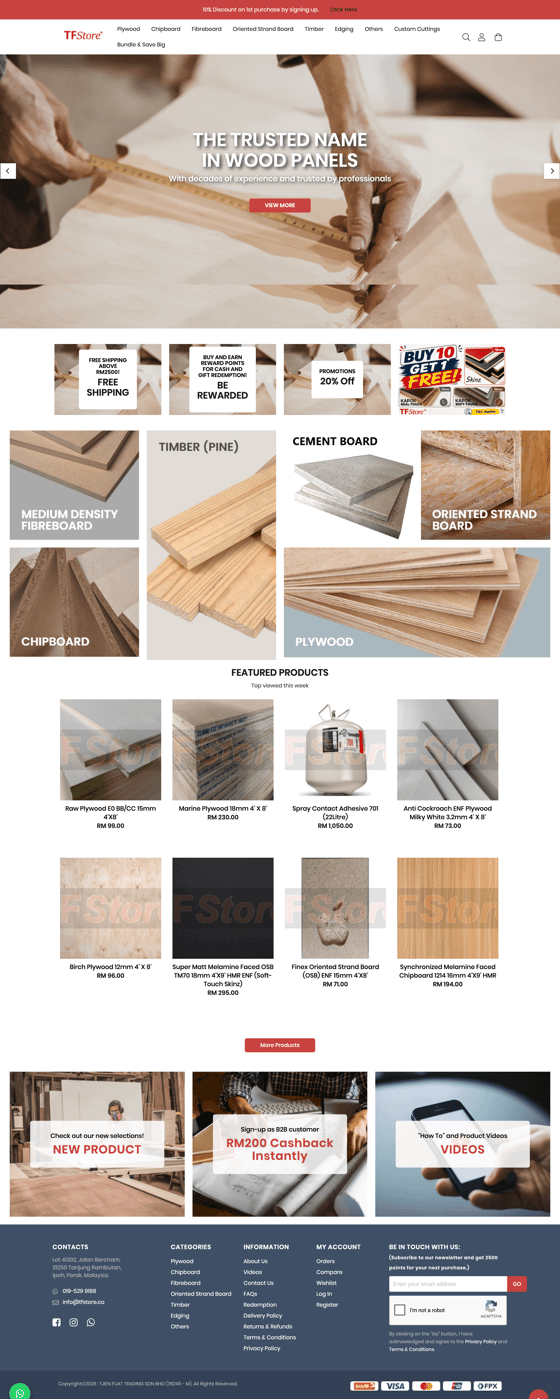
Built With Magento

View Portfolio

Mix, Match and Build

Most websites run on more than one technology. Here’s how common project needs map to the right web development stack, and how each piece works with the others.

Project NeedRecommended StackWhy It Fits
Corporate website that needs to rank on search enginesNuxt + Strapi

Editors manage content in Strapi, while Nuxt renders each page on the server, so visitors and search engines get fast, readable pages.

Customer portal or booking system with logins and paymentsNuxt + Laravel

Laravel handles accounts, data and business logic behind the scenes, then connects to Nuxt through an API for a fast, responsive frontend.

Website and mobile app sharing the same contentStrapi

Content is entered once in Strapi and delivered through its API to both the website and the app, keeping them in sync.

Government or university website with many editors and languagesDrupal

Role-based access, built-in multilingual tools and accessibility features help large teams publish in several languages.

Website the marketing team updates oftenWordPress

A familiar editor and a large library of themes and plugins let teams update pages and add features with little technical help.

Organisation that wants content and marketing tools togetherKentico

Kentico combines content management with digital marketing tools, so content and campaigns run from a single platform.

Online store with a large product catalogueMagento

Magento is an e-commerce platform that manages product catalogues, shopping carts and checkout in one place.

  • Vast Clientele
  • Specialised Experts
  • Prominent and Versatile

Insights on Magento

View Insights

FAQs

Still curious? Unravel the answers, one slice at a time.

  • Magento is worth considering when your store needs detailed product options, multiple storefronts or connections to other business systems. It gives you control over how products are organised and how customers buy. For a straightforward store with a small catalogue, WooCommerce may be a simpler option. We compare the features you need with the cost of building and maintaining each platform.

  • Magento Open Source is free to download and has no software licence fee. Adobe Commerce is a paid commercial offering with additional capabilities and services. They are not interchangeable packages, and a feature advertised for Adobe Commerce should not be assumed to come with Magento Open Source. We identify the edition, extensions and recurring costs in your proposal.

  • Yes. Your team can use the administration dashboard to update products, images, prices and stock information, and manage orders. Product data can also be imported from a correctly formatted CSV file, which is useful for bulk updates. We configure the catalogue around your product information and show your team the agreed workflows. New functionality and major design changes still need development work.

  • Yes. We can connect the store through compatible extensions or custom API integrations. For example, an integration can pass order details to your accounting system or bring stock updates into the store. We agree which information moves between systems, how often it updates and how failed transfers are handled. Gateway approval, provider fees and any extension licences are confirmed separately.

  • Yes. Magento supports multiple websites, stores and store views within one installation. This lets you organise different brands, product selections or languages while sharing appropriate administration tools. We plan which settings and data are shared and which remain separate. Your team supplies or approves translated content, and each storefront's payment and delivery arrangements are checked before launch.

  • Yes. We can plan the transfer of agreed products, customer records and other required data from your existing store. First, we check what can be exported and how it maps to the new setup. We test a sample migration, review changed URLs and check checkout before launch. Historical orders, customer passwords and custom features need specific assessment; they should not be assumed to transfer unchanged.

  • Even with Magento Open Source, you should budget for hosting, backups, security updates, maintenance and any paid extensions or connected services. An Adobe Commerce setup also has commercial licence or subscription costs. Updates need testing, particularly around checkout, payments and integrations. We set out the recurring items and support responsibilities so you can plan beyond the initial website build.